-
Cruises
All Cruises
Cruise deals
From Australia
International
Don't Miss OutHot Offers
The best-selling holidays right now, at prices that won't last.
Browse Hot Offers -
Tours
All Tours
By region
Curated lists
Travel With CompanySocial Getaways
Small-group trips designed for over 60s who love good company on the road — new friends, shared adventures, no single supplements.
Browse Over-60 Getaways -
Destinations
All Destinations
Australia & Pacific
America
Not Sure Where to Start?Book a Call
Speak with one of our friendly travel specialists — no pressure, just honest advice to help you find the right holiday.
Browse Request a call with a travel expert - Social Getaways
- Solo Holidays
- Hot Offers
- Wishlist 0
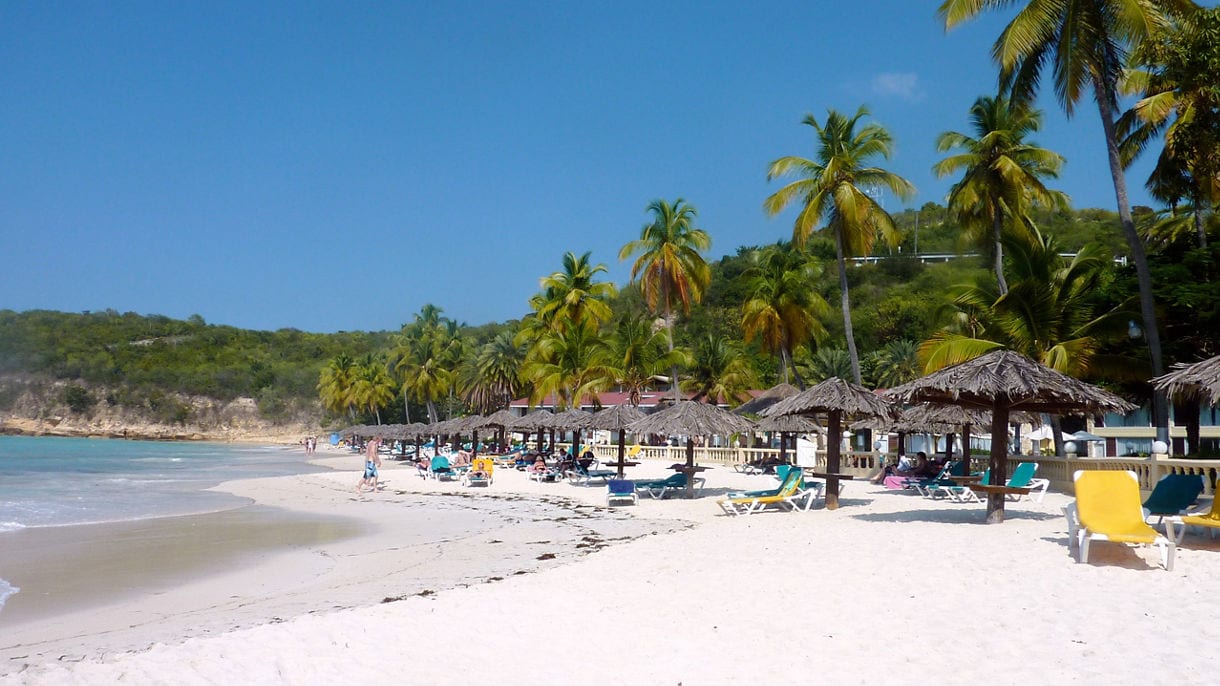
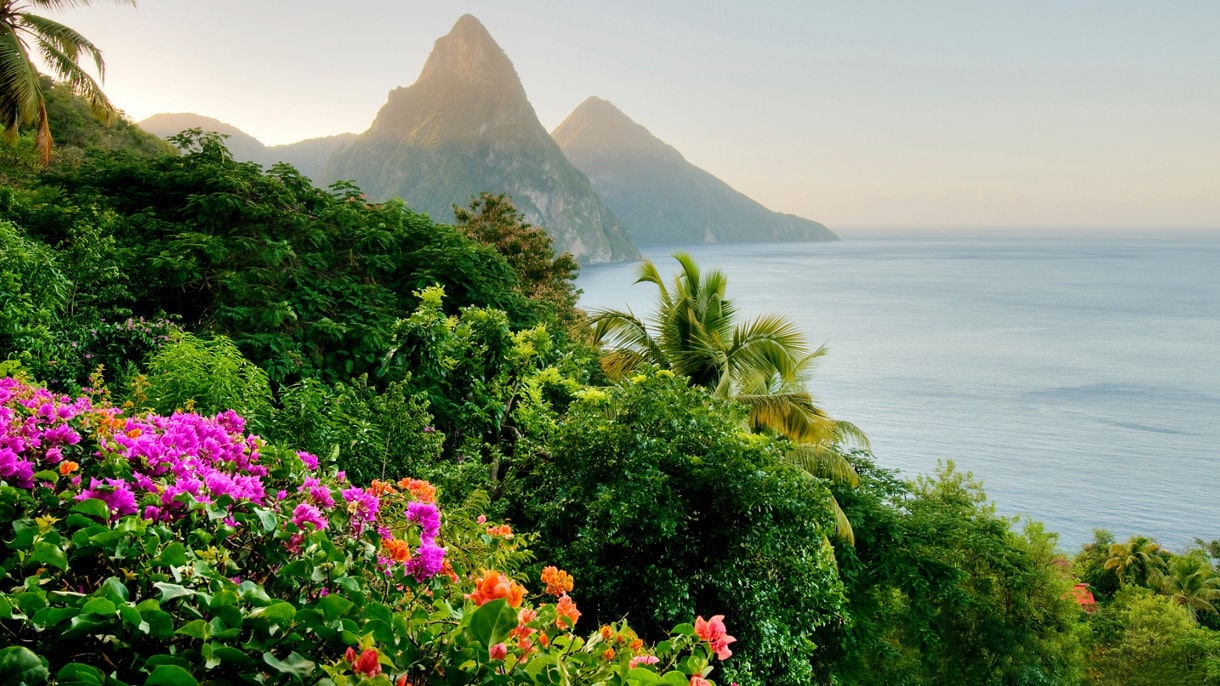
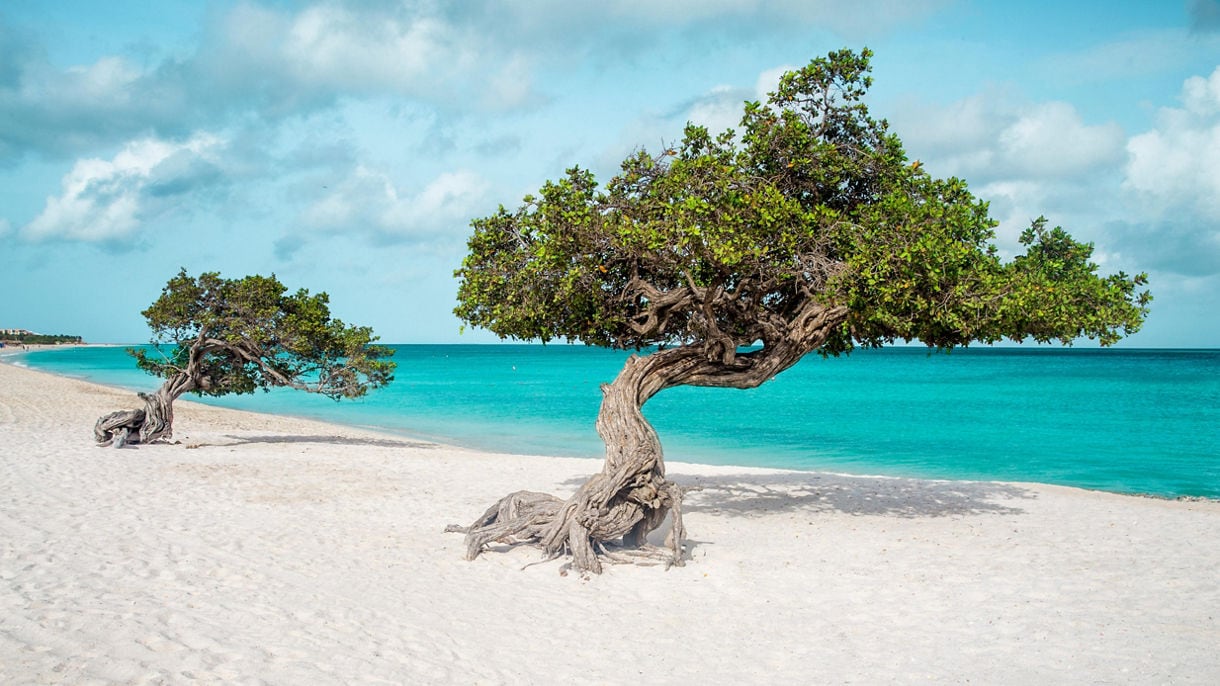
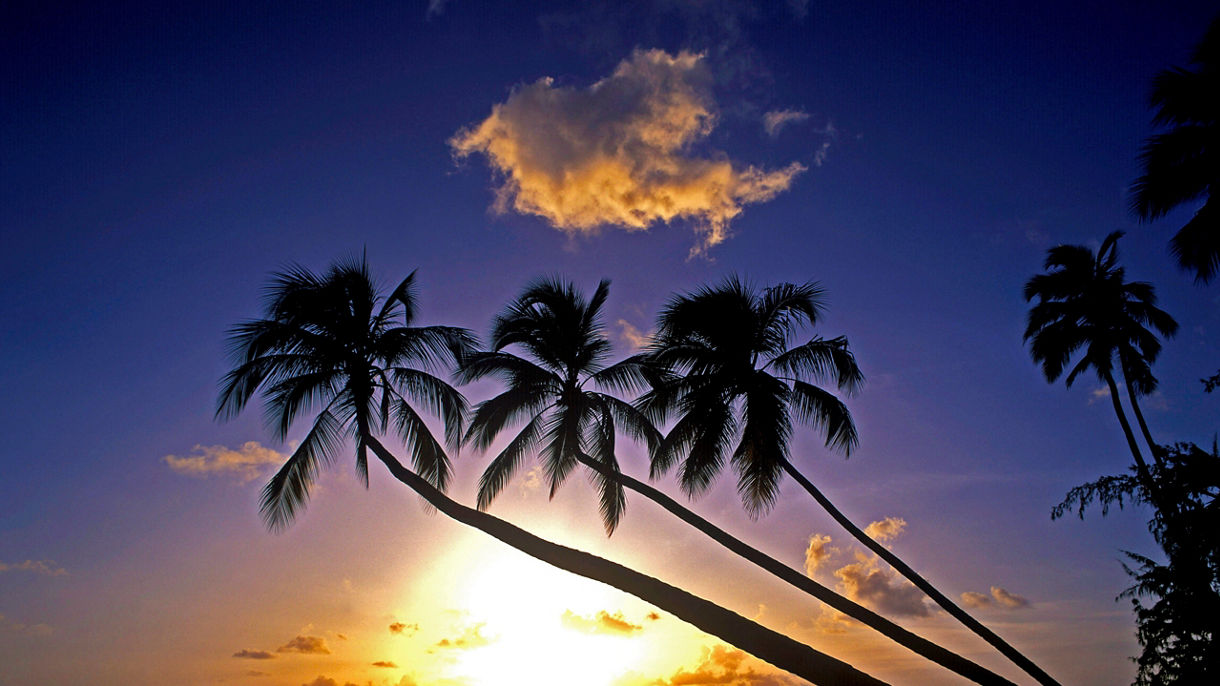
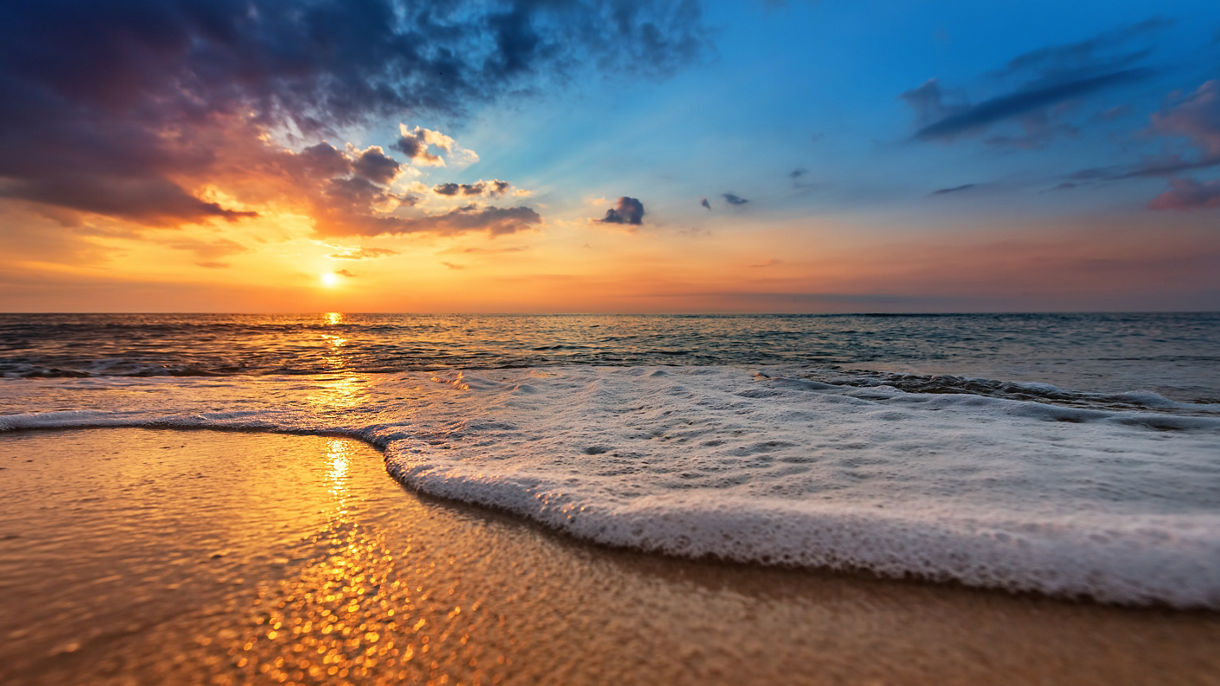
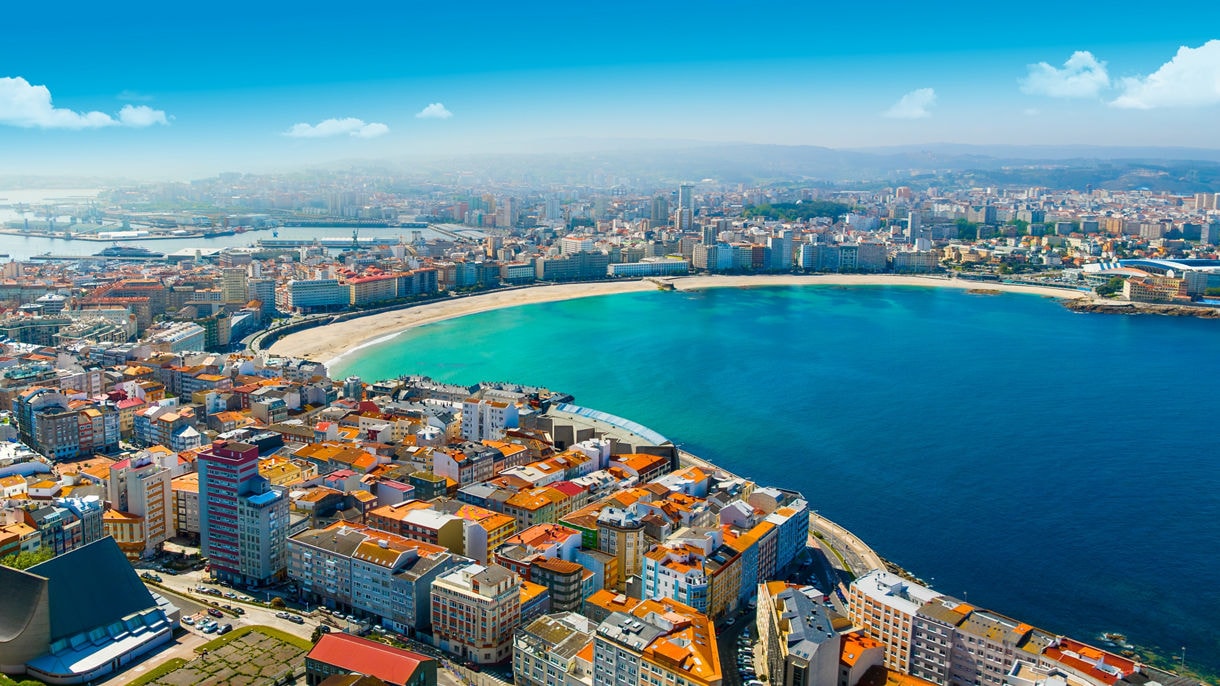
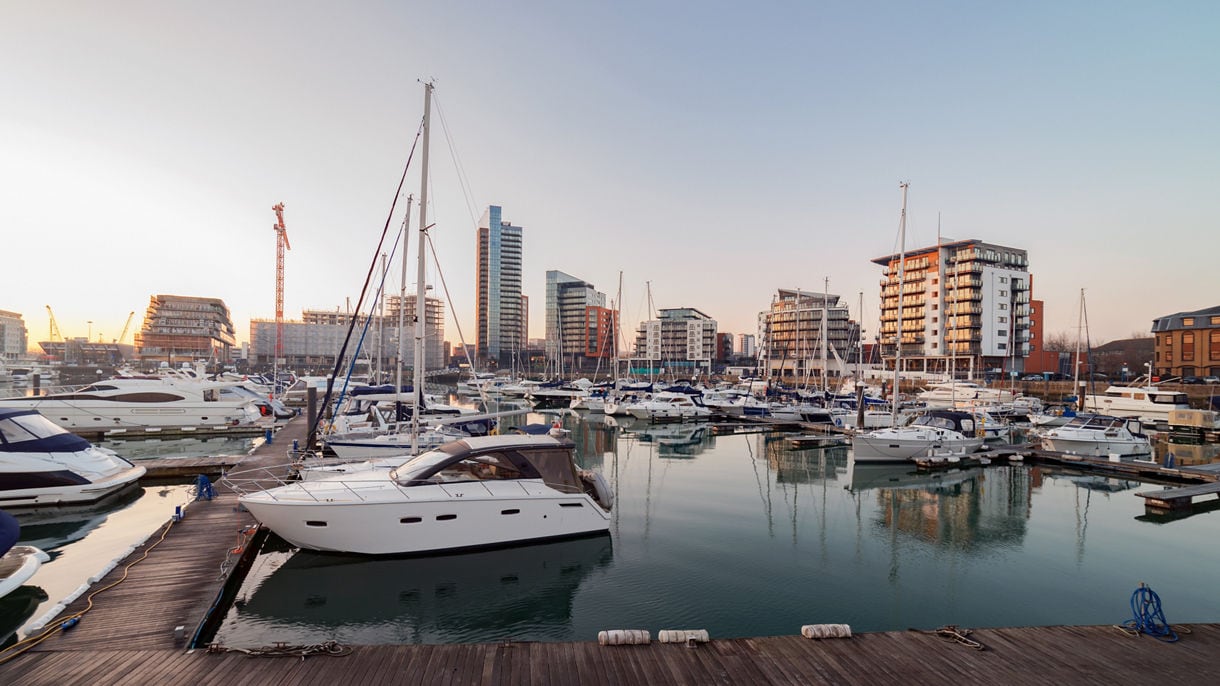
Sail the Caribbean to Southampton on a 27-night cruise, exploring islands and enjoying onboard entertainment and amenities
- Cruise the Caribbean to Southampton
- Explore islands like St. Kitts, St. Maarten, Martinique, and Dominica
- Enjoy onboard entertainment, dining, and facilities on the Arvia ship
Trip Details
- Departs
- 28 February 2028
- Returns
- 26 March 2028
- Embarks
- Operator
- P&O
27-night Caribbean cruise from St. Kitts to Southampton (for London), England aboard Arvia.
Calling at St. Maarten, Martinique, Dominica, Antigua, St. Lucia, Aruba, Barbados, Santa Cruz De Tenerife, La Coruna and Southampton, with 12 days at sea.
Arvia is a P&O Cruises ship with full-board dining in the main restaurants and buffet, West End-style shows and live entertainment, pools, a fitness centre and kids' and teens' clubs.
Cabin categories range from Inside to Conservatory Mini-Suite.
Departures & Pricing
- 28 Feb 2028 - 26 Mar 2028
from $6,499 pp twin share *
- Inside from $6,499 pp twin share
- Balcony from $8,399 pp twin share
- Conservatory Mini-Suite from $12,749 pp twin share
* Prices and category availability are subject to change without notice.
Upgrades, transfers, accommodation and more can be quoted on enquiry — call 1300 414 198.
Arvia
Our sunshine ship is perfect if it’s your first cruise holiday. Brimming with brand-new features and innovation, there’s plenty to explore. Whether you’re trying her high-ropes adventure, swimming beneath the retractable SkyDome roof or sitting down to waffles and chicken in 6th Street Diner, you’ll be bowled over by the variety on board.
- Guests
- 5,200
- Crew
- 1,800
- Gross tonnage
- 184,700
- Speed
- 22 knots
- Length
- 344.08 m
- Launched
- 2022
- Deck plans
- 16
Deck 19 — Sky Deck

Source: P&O Cruises, captured 16 September 2026. Deck plans are provided by the cruise line and are subject to change at any time.
Itinerary
- 1
St. Kitts
Departs 06:00 pm.
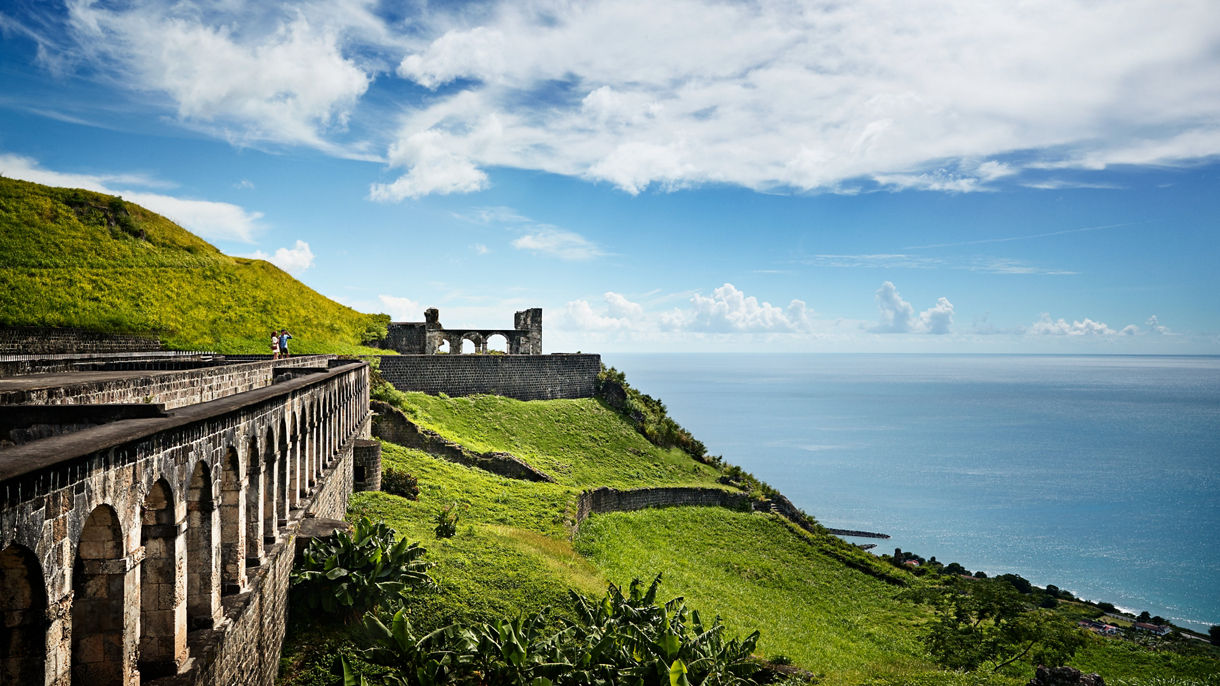
Jagged volcanoes soaring above azure and turquoise seas, dense rainforests in myriad shades of green, rolling fields of sugarcane--welcome to St. Kitts. Along with its neighbor, Nevis, St. Kitts presents an exotic landscape more common to Polynesia than the Caribbean. The islands' terrain, rich soil, and climate made them ideal locations for raising sugarcane. In fact, St. Kitts and Nevis were once the crown jewels of the Caribbean. During the 17th and 18th centuries, Spain, France and England vied for control of the islands, with the English finally winning out in 1787. Today, British and French heritage is evident on both islands. Basseterre, the capital of St. Kitts, boasts fine, restored colonial buildings. Impressive Brimstone Hill Fortress, called the "Gibraltar of the West Indies," is one of the most impressive fortresses in the Caribbean.
- 2
St. Maarten
Arrives 07:00 am, departs 06:00 pm.
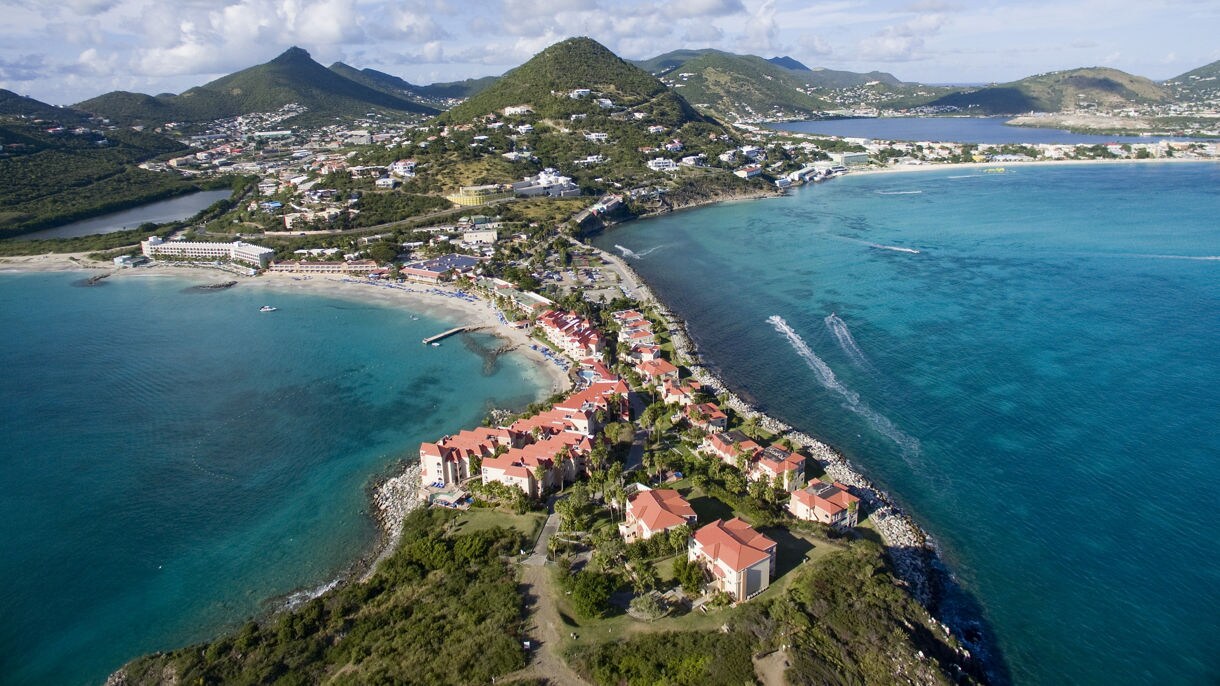
St. Maarten offers a delightful case of split personality. Legend has it that a Frenchman and a Dutchman divided ownership of the island through a walk-off: Standing back to back, the two headed in opposite directions, walking around the island until they met. Perhaps the Dutchman paused for a refreshing brew. At any rate, the French ended up claiming 21 square miles of the island to 16 square miles for the Dutch. This lively tale says much about St. Maarten's easygoing ways. No formal boundary exists between the Dutch and French sides of the island; a simple welcome sign tells you when you cross from one country to the other. But the differences are as noticeable as the spelling of the island's name. The French spell it St. Martin. And it's this split personality that lends so much to the island's charms, including an international reputation for the finest cuisine in the Caribbean.
- 3
At Sea
- 4
Martinique
Arrives 07:00 am, departs 06:00 pm.
To the Arawak, Martinique was their treasured "isle of flowers." Lying in the Lesser Antilles between Dominica and St. Lucia, the island is a tropical paradise of dense rain forest, rolling savanna and stunning beaches. The rich volcanic soil nourishes banana plantations and pineapple fields as well as mangoes, papayas, lemons, limes, and West Indian cherries. Little wonder that Columbus praised Martinique as the "best, most fertile, most delightful, and most charming land in the world." Martinique's cultural heritage is as rich and bountiful as its soil. The island has been governed by France for over three centuries. Today an overseas department of France, the island boasts a culture that is a unique and zesty blend of French, Caribbean, African and Middle Eastern influences, resulting in that spicy combination called Créole. Créole culture is reflected in Martinique's architecture, cuisine, language, and music. For years the mayor of Fort-de-France was the internationally acclaimed Créole poet Aimé Césaire. Five centuries after Columbus made his landfall, Martinique remains a rare flower in the Caribbean.
- 5
Dominica
Arrives 07:00 am, departs 06:00 pm.
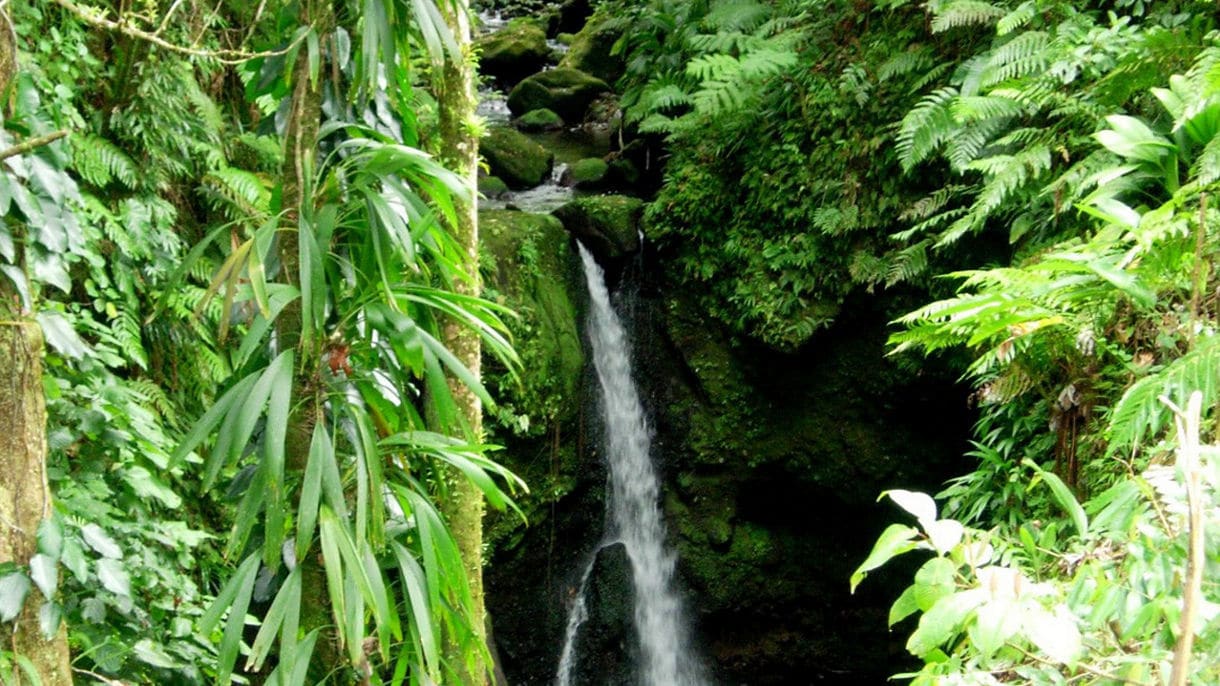
Lying between Guadeloupe and Martinique is the island of Dominica--an unspoiled Caribbean paradise. The vibrant, rich rainforest is home to rare birds, including Sisserou and Jacquot parrots. Streams tumble down mountain slopes and thread fertile valleys on their short route to the sea. Dominica is also home to the last Carib Indians. When Columbus made landfall on his second voyage of discovery, this fierce tribe managed to keep the explorer at bay. And while the island proved a lure for both British and French planters, Dominica somehow managed to escape the trammels of civilization. This former British possession, independent since 1978, today lures visitors from around the world with its unspoiled beauty. As the islanders fondly say, "Apres Bondi, c'est la terre" (After God, it is the land). Tours may travel narrow, winding roads.
- 6
Antigua
Arrives 07:00 am.
The largest of the British Leeward Islands, Antigua (pronounced an-tee-ga) boasts one of the Caribbean's most spectacular coastlines with secluded coves and sun drenched beaches. The island's rolling hills are dotted with stone sugar mills, relics from the bygone era when sugar was king. Historic Nelson's Dockyard, where Admiral Horatio Nelson quartered his fleet in 1784, attests to Antigua's long and colorful nautical history during colonial times. And St. John's, the island's bustling capital, offers visitors a wealth of boutiques, restaurants and pubs.
- 7
Antigua
Departs 06:00 pm.
The largest of the British Leeward Islands, Antigua (pronounced an-tee-ga) boasts one of the Caribbean's most spectacular coastlines with secluded coves and sun drenched beaches. The island's rolling hills are dotted with stone sugar mills, relics from the bygone era when sugar was king. Historic Nelson's Dockyard, where Admiral Horatio Nelson quartered his fleet in 1784, attests to Antigua's long and colorful nautical history during colonial times. And St. John's, the island's bustling capital, offers visitors a wealth of boutiques, restaurants and pubs.
- 8
St. Lucia
Arrives 07:00 am, departs 06:00 pm.
Nestled below the Pitons, twin peaks rising over 2,600 feet above the azure waters of the Caribbean, St. Lucia is an oasis of tropical calm. The island's capital, Castries, is a town of charming, pastel-colored colonial buildings, home to some 60,000. Yet despite its peaceful setting, St. Lucia has a turbulent and colorful history. Fierce Carib warriors overran the peaceful Arawaks in the 9th century. The first European settler, Francois Le Clerc, was a French buccaneer. Le Clerc's countrymen followed in his wake, establishing the town of Soufriere in 1746. Sugar was the lure, sugar was king. Within four decades some 50 plantations flourished on the island. Thus St. Lucia became part of the Caribbean's 18th-century trade triangle of sugar, slavery, and rum. Today this beautiful island welcomes visitors drawn to its exotic tropical landscape, superb beaches, crystalline waters, and colorful marine life.
- 9
At Sea
- 10
Aruba
Arrives 07:00 am, departs 06:00 pm.
Dutch influence still lingers on this balmy Caribbean island, part of the former Netherlands Antilles until its independence in 1986. Aruba is a contrast: the island's arid interior is dotted with cactus and windswept divi-divi trees while secluded coves and sandy beaches make up its coast. Aruba's long and colorful heritage is reflected in its dialect. Called Papiamento, it is a tongue that combines elements of Spanish, French, Portuguese, Dutch, African and English.
- 11
At Sea
- 12
Barbados
Arrives 06:30 am.
Barbados is one of the few Caribbean islands solely colonized by one nation. It's no wonder Bajans describe their country as being "more English than England sheself," surnames like Worthing and Hastings abound. But look around and you know you're not in England: rich and fertile tropical fields meet a glistening, azure sea. The soft pastels of old chattel houses blend with the vibrant reds, oranges, and greens of roadside fruit stands. In short, Barbados exudes a charm all its own. Perhaps it is due to Bajan culture, that celebrated blend of English tradition and the African heritage brought to the island by slaves imported to work the sugar plantations. The potent brew which results flavors every aspect of island life, from music, dance and art, to religion, language and food.
- 13
Barbados
Departs 09:00 pm.
Barbados is one of the few Caribbean islands solely colonized by one nation. It's no wonder Bajans describe their country as being "more English than England sheself," surnames like Worthing and Hastings abound. But look around and you know you're not in England: rich and fertile tropical fields meet a glistening, azure sea. The soft pastels of old chattel houses blend with the vibrant reds, oranges, and greens of roadside fruit stands. In short, Barbados exudes a charm all its own. Perhaps it is due to Bajan culture, that celebrated blend of English tradition and the African heritage brought to the island by slaves imported to work the sugar plantations. The potent brew which results flavors every aspect of island life, from music, dance and art, to religion, language and food.
- 14
Martinique
Arrives 07:00 am, departs 06:00 pm.
To the Arawak, Martinique was their treasured "isle of flowers." Lying in the Lesser Antilles between Dominica and St. Lucia, the island is a tropical paradise of dense rain forest, rolling savanna and stunning beaches. The rich volcanic soil nourishes banana plantations and pineapple fields as well as mangoes, papayas, lemons, limes, and West Indian cherries. Little wonder that Columbus praised Martinique as the "best, most fertile, most delightful, and most charming land in the world." Martinique's cultural heritage is as rich and bountiful as its soil. The island has been governed by France for over three centuries. Today an overseas department of France, the island boasts a culture that is a unique and zesty blend of French, Caribbean, African and Middle Eastern influences, resulting in that spicy combination called Créole. Créole culture is reflected in Martinique's architecture, cuisine, language, and music. For years the mayor of Fort-de-France was the internationally acclaimed Créole poet Aimé Césaire. Five centuries after Columbus made his landfall, Martinique remains a rare flower in the Caribbean.
- 15
St. Kitts
Arrives 07:00 am, departs 06:00 pm.
Jagged volcanoes soaring above azure and turquoise seas, dense rainforests in myriad shades of green, rolling fields of sugarcane--welcome to St. Kitts. Along with its neighbor, Nevis, St. Kitts presents an exotic landscape more common to Polynesia than the Caribbean. The islands' terrain, rich soil, and climate made them ideal locations for raising sugarcane. In fact, St. Kitts and Nevis were once the crown jewels of the Caribbean. During the 17th and 18th centuries, Spain, France and England vied for control of the islands, with the English finally winning out in 1787. Today, British and French heritage is evident on both islands. Basseterre, the capital of St. Kitts, boasts fine, restored colonial buildings. Impressive Brimstone Hill Fortress, called the "Gibraltar of the West Indies," is one of the most impressive fortresses in the Caribbean.
- 16
St. Maarten
Arrives 07:00 am, departs 06:00 pm.
St. Maarten offers a delightful case of split personality. Legend has it that a Frenchman and a Dutchman divided ownership of the island through a walk-off: Standing back to back, the two headed in opposite directions, walking around the island until they met. Perhaps the Dutchman paused for a refreshing brew. At any rate, the French ended up claiming 21 square miles of the island to 16 square miles for the Dutch. This lively tale says much about St. Maarten's easygoing ways. No formal boundary exists between the Dutch and French sides of the island; a simple welcome sign tells you when you cross from one country to the other. But the differences are as noticeable as the spelling of the island's name. The French spell it St. Martin. And it's this split personality that lends so much to the island's charms, including an international reputation for the finest cuisine in the Caribbean.
- 17
At Sea
- 18
At Sea
- 19
At Sea
- 20
At Sea
- 21
At Sea
- 22
At Sea
- 23
Santa Cruz De Tenerife, Canary Islands
Arrives 07:00 am, departs 05:00 pm.
Tenerife is the largest island in the Canary Archipelago. Like its brethren, Tenerife was formed by fierce volcanic activity. Its landscape remains dotted with volcanic cones and areas of intense geothermal activity. Towering over the island is Mt Teide, an extinct volcano that, at 12,200 feet above sea level, is the highest peak in Spanish territory. Santa Cruz de Tenerife is the island's capital and your port of call.Tenerife's north shore is separated from the south by rugged mountains, creating a rain shadow. The majority of the islands most recent resorts are found in the sere and parched south shore.
- 24
At Sea
- 25
At Sea
- 26
La Coruna, Spain (for Santiagode Compostela)
Arrives 08:00 am, departs 05:00 pm.
With La Coruña's impressive and extensive history, visitors are often surprised at how modern the city is. It was from here that, in 1588, Spain sent its "invincible" Armada sailing. A year later, Sir Francis Drake sent those ships scrambling, burning most of the city just for good measure. Drake's invasion was ultimately repelled by the peoples of La Coruña, inspired by the local heroine, María Pita. In the process, La Coruña lost all of its Roman antiquities, including the Torre de Hercules, the present day monument as undergone several transformations over the centuries, the most important one carried out in 1788 by the engineer Eustaquio Giannini, who built the current façades around what remained of the Roman lighthouse, now declared a World Heritage Site. The city does, however, still offer incredible vistas, situated as it is on an outstretch of land blanketed on each side by the sea. Be sure to visit the Ciudad Vieja, the small old town that watches over the Darsena de La Marina harbor. Here you will find many pleasant cafes from which you can people-watch. Notice that most of the streets are lined with glass covered balconies built for protection again the city's winds and rain. The port of La Coruña serves as your gateway to Santiago de Compostela, one of the greatest pilgrimages of the Middle Ages. As the site of the supposed shrine of St. James the Apostle, it is the third holiest site in all Christendom, following Jerusalem and Rome. Pilgrims believed that making the journey here would reduce their sentence in purgatory by one-half.
- 27
At Sea
- 28
Southampton (for London), England
Arrives 06:00 am.
The south of England boasts a dramatic coastline that encloses some of the most beautiful countryside in Britain. The landscape of hills and heaths, downs and forests, valleys and dales, is without rival. Southampton serves as your gateway to the countryside - and to a wide variety of historic sites, national landmarks and charming. And of course, London is a two-hour drive by modern highway. The United Kingdom's premier passenger ship port, Southampton was home for many years to the great transatlantic liners of yesteryear.
Inclusions & exclusions
What’s included
- Full-board dining in the main restaurants and buffet
- West End-style shows and live entertainment
- Fitness centre and swimming pools
- Kids' and teens' clubs
Accommodation
Arvia is a P&O Cruises ship with full-board dining in the main restaurants and buffet, West End-style shows and live entertainment, pools, a fitness centre and kids' and teens' clubs.
Cabin categories available on this sailing: Conservatory Mini-Suite, Balcony and Inside.
Common questions about this voyage
How long is this journey?
When can I travel?
What is generally included?
What style of accommodation is used?
Book this cruise
Send us an enquiry and a consultant will be in touch, or call 1300 414 198 for personal help choosing a departure.
You might also like
Caribbean transatlantic
- Sail the Caribbean on a 17-night cruise
- Discover the diverse landscapes of Tenerife, St. Maarten and St. Kitts
- Relax and be entertained on the Arvia with shows, dining and more
Caribbean transatlantic
- Full-board dining in main restaurants and buffet
- West End-style shows and live entertainment
- Fitness centre, swimming pools, kids' and teens' clubs
Caribbean transatlantic
- Sail from Southampton to Barbados on a 15-night cruise
- Discover the Canary Islands, St. Maarten, St. Kitts, and St. Lucia
- Indulge in full-board dining, live entertainment, and onboard activities